Arthrocentesis
- Home
- Arthrocentesis
Arthrocentesis
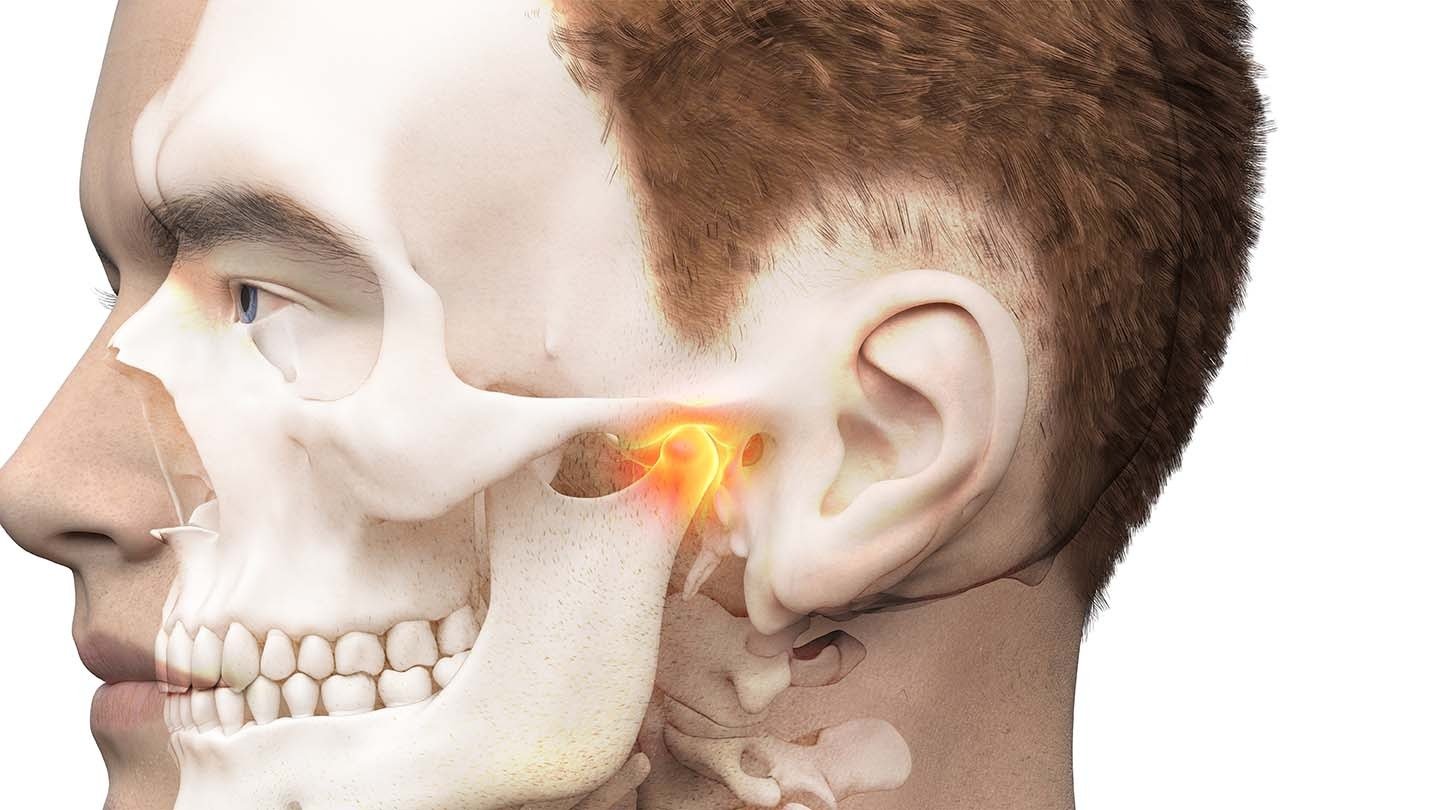
Arthrocentesis is a minimally invasive procedure commonly performed in the treatment of temporomandibular joint (TMJ) disorders. The temporomandibular joint connects the lower jaw to the skull and allows essential movements such as speaking, chewing, and opening the mouth. When this joint becomes inflamed or restricted due to internal joint problems, arthrocentesis can help relieve pain and improve jaw movement.
The need for surgery generally falls into two categories:
TMJ Arthritis Causes:
- Osteoarthritis: Wear and tear
- Rheumatoid arthritis: Autoimmune condition
- Injury or trauma: Jaw injury
- Overuse or grinding: Bruxism
- Systemic conditions: Like lupus or fibromalgia
TMJ Ankylosis Symptoms:
- Pain or tenderness: Jaw joint or surrounding muscles
- Clicking or popping sounds: When opening/closing mouth
- Limited jaw movement: Difficulty opening mouth wide
- Locking of the jaw: Temporarily stuck
- Headaches or earaches: Radiating pain
TMJ Arthritis Treatment:
Treatment involves
- conservative management
- Lifestyle and self care
- Jaw exercises and Physiotherapy
- Occlusal Splints
Minimal invasive treatment
- Steroid Injection
- Hyaluronic acid injection
- Arthrocentesis
Surgical Treatment
- Arthroscopy
- Open Joint Surgery
- Joint Replacement
Pre-Surgical Preparation
The notes outline several steps required before undergoing these surgeries:
- Pre-surgical Orthodontics: Often needed before the actual surgery takes place. Imaging: X-rays and CT scans are required.
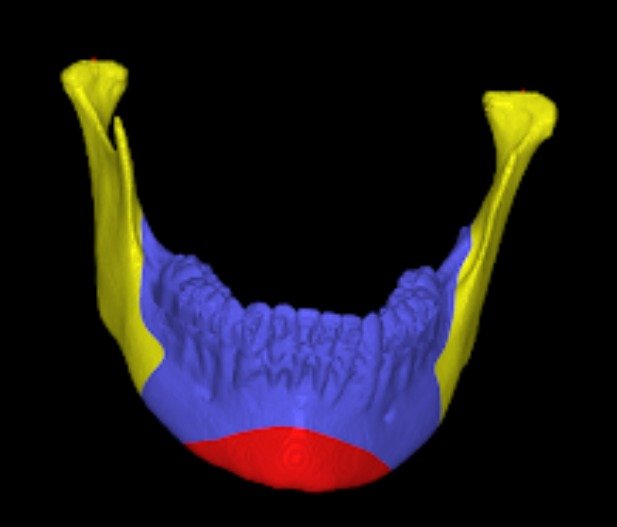
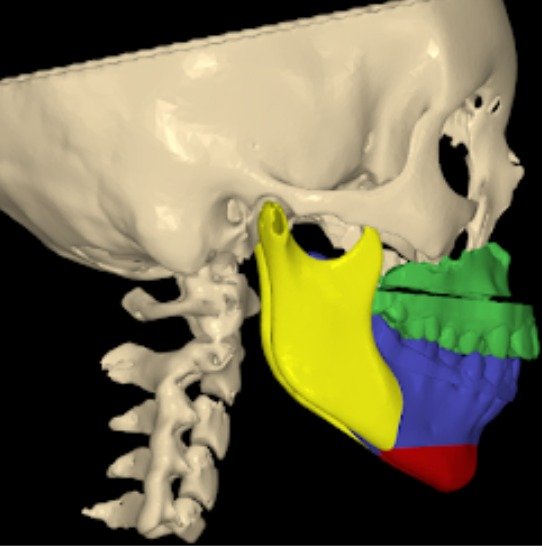
- Planning: Virtual surgical planning is performed on a computer, along with model surgery.
- Psychological Evaluation: Conducted to ensure a successful outcome for the patient.
Post-Surgical Recovery
- Hospital Stay: Typically lasts approximately 3-4 days.
- Discharge Criteria: Patients can be discharged once they can start taking soft food orally and can perform day-to-day activities by themselves.
"Dr. Philip's Expertise, Your Confidence Boost"
Our Happy Customers
Join thousands of happy patients who trust us for gentle, expert care and beautiful smiles. Your perfect dental experience starts here!
Heena Dixit"I had a near cousin with a complicated facial deformity who was unable to chew and speak properly which led her to psychological imbalance. I suggested her to visit Dr Philip Mathew as he is very renowned best orthognathic surgeon in country and also the president of association of oral and maxillofacial surgeons of India. After her surgery she was very happy with her facial features and functional outcome. She is physically and mentally both way fit now. She is now doing outstanding work in her personal and professional life. He is an extremely excellent surgeon."
Jini Thomas"Excellent treatment! Very thankfull to Dr. Philip Mathew."
Laila Joseph"My relative was treated by Dr. Philip for small lower jaw and bad smile which happened when she became 17 years. Doctor was very good and affordable. Jaw and tooth position was corrected. Her face looks superb now. Little swelling and pain was there for 1 week after surgery and difficult to eat for 1 week after surgery. But after 1 week every thing was very good and could eat properly also. Really life changing operation."
Abdul Muthalib"Conveying my sincere gratitude to dr philip mathew, his wife and all other staff . I had a great experience and support from this team. I am extremely satisfied with result of my surgery. Dr philip mathew is well experienced sergeon.And all staffs are very brilliant and friendly. I was born with cleft lip. It was clearly visible in my childhood face. From then until today I am being treated at jubilee mission hospital thrissur. A result of my surgery good change in my face. Now I am satisfied with my every smile that appears on my face. So, It has boosted my confidence . Thank you so much. God bless."
Ajun Cr"Dr. Philip Mathew who is the HOD of the dental department of Jubilee Mission Medical College hospital, Thrissur and his team were much supportive to me in all the way of my jaw surgery journey. He is an experienced surgeon in oral and maxillofacial surgery. The result of my surgery was satisfactory by correcting my underbite. Now i am able to bite perfectly and I don't have any jaw pain. I got a wonderful experience in my life. I would recommend this doctor to anyone who suffers facial problems."
hema henry"I’m exceedingly satisfied with the result of my upper jaw surgery. I’m so impressed of their professionalism and commitment to excellence. Just needed some patience and endurance to go through the early recovery phase after surgery. For me it was mainly mild pain, numbness and swelling. But things got so much improved after a month. Now I look more younger and beautiful than before. I’m very much happy about the change. Thanks to Dr and team. 🙂"
Ready to Book Your Appointment?
Contact us today to schedule your visit and take the first step toward a healthier smile.